



Complete Guide: 16 Small Business Marketing Tactics
Marketing
If you’re a small business owner or entrepreneur, chances are you’ve felt the overwhelming pressure of managing marketing on top of everything else. But here’s the truth: you don’t need a hundred strategies to succeed. Instead, a few proven tactics tailored to your business can go a long way in boosting visibility, building trust, and driving growth.
This guide distills insights from a video tutorial into practical, actionable steps specifically designed for small businesses, solopreneurs, and personal brands. Whether you’re focused on search engines, social media, email marketing, or word-of-mouth promotion, these strategies are designed to maximize impact without requiring a big budget or advanced technical expertise.
Let’s dive into the essentials of small business marketing that will transform your online presence.
The Power of Search Engine Optimization (SEO)
1. Claim Your Google Business Profile
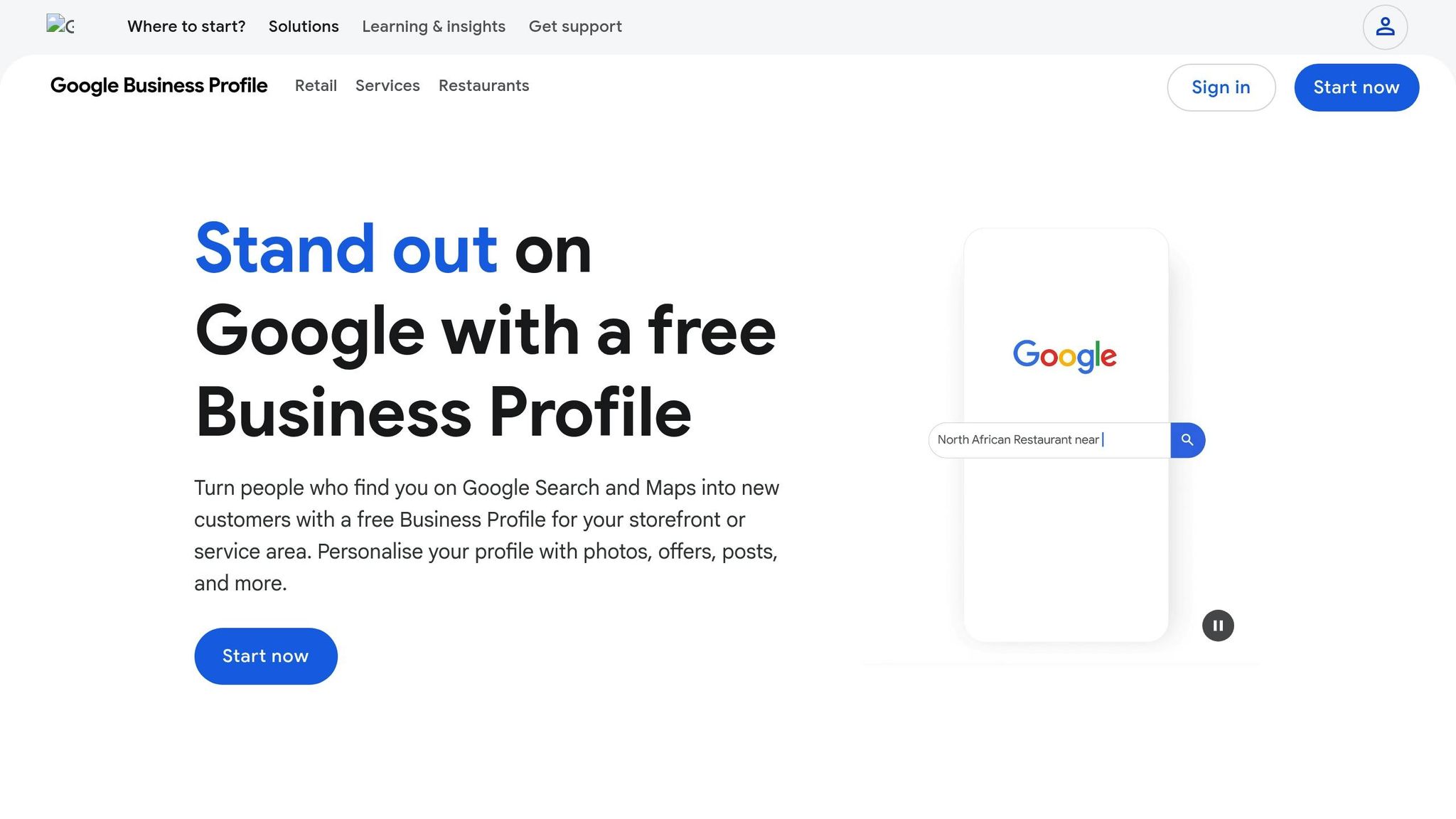
Search engines are still the leading way consumers discover businesses. One of the easiest ways to boost visibility on Google and Google Maps is by setting up a Google Business Profile. It’s free, quick to set up, and allows you to display critical information like your business name, address, hours, and even product inventory.
Why it matters: A well-optimized profile ensures your business shows up for brand and category-specific searches, helping potential customers find you when they need you most.
Tips to optimize your profile:
Add detailed and accurate information about your business.
Upload high-quality photos that showcase your offerings.
Collect and highlight customer reviews to build trust and credibility.
2. Enhance Your Website for SEO
Even if SEO feels complicated, focusing on the basics can yield significant results. Ensure your website is optimized for:
Your brand name (e.g., "Joe’s Coffee Shop")
Your products or services (e.g., "specialty coffee", "morning pastries")
Your key categories (e.g., "local cafe", "breakfast near me")
Actionable steps:
Create a dedicated webpage for each product or service you offer.
Integrate relevant keywords into your pages’ titles, headings, and body text.
Research competitors’ content to identify gaps and opportunities in your niche.
3. Leverage Industry-Specific Platforms
Platforms like Yelp, TripAdvisor, or niche directories in your industry can amplify your search visibility. These profiles often rank highly on Google, giving you additional exposure.
Pro Tip: Identify where your target audience is most active and create profiles on those platforms. For example:
Restaurants should prioritize Yelp and OpenTable.
Service providers can benefit from platforms like Angi or Thumbtack.
Social Media Strategies That Drive Results
4. Optimize All Your Profiles
Even if you don’t plan to post regularly on every platform, ensure you’ve claimed your brand name and set up complete profiles on major networks like Facebook, Instagram, LinkedIn, and TikTok.
Key details to include:
Business name and description
Website link
Contact information
A few initial posts to ensure visitors see an active presence
5. Focus on One Primary Platform
Instead of spreading yourself thin, choose one social media platform that aligns with your audience and business goals. For instance:
Instagram: Great for visual content and engaging with younger audiences.
LinkedIn: Ideal for B2B companies and professional services.
Facebook: Effective for local businesses with diverse demographics.
Engage with your audience by posting consistently, responding to comments and messages, and sharing user-generated content (UGC).
6. Encourage User-Generated Content (UGC)
UGC, such as customer photos or testimonials, is one of the most powerful tools for building trust and enhancing brand visibility. You can encourage your audience to create content by:
Offering discounts or free products in exchange for social media posts.
Highlighting user posts on your own feed to incentivize sharing.
Running contests or events that inspire engagement.
Building Relationships Through Email Marketing
7. Offer a Lead Magnet
Many people will willingly share their email address if they get something valuable in return. Examples of effective lead magnets include:
A discount code for first-time customers
A downloadable guide or checklist
Exclusive access to a free webinar or community
Once you’ve collected emails, set up an automated welcome email sequence to build a strong first impression.
8. Send a Regular Newsletter
Email newsletters remain one of the most effective ways to maintain communication with your audience. Use this channel to:
Promote new products or services.
Share customer success stories or testimonials.
Offer exclusive discounts or promotions.
Frequency matters: Start with 2–4 emails per month, ensuring each one provides value to your audience.
9. Automate the Process
Set up email automations for common scenarios, such as:
Abandoned cart reminders
Post-purchase review requests
Upselling or cross-selling opportunities
These automations save time while keeping your audience engaged.
The Magic of Word-of-Mouth Marketing
10. Launch a Referral Program
Encourage loyal customers to spread the word by rewarding them for referrals. For example, offer:
Discounts on future purchases
Gift cards
Exclusive perks
Best practices: Make the incentive valuable for both the referrer and the new customer.
11. Collaborate with Other Businesses
Partnerships with complementary brands can significantly expand your reach. Consider teaming up for:
Co-branded giveaways
Cross-promotional campaigns
Joint webinars or events
Example: A local bakery could collaborate with a coffee shop to create a breakfast bundle promotion.
12. Participate in Communities
Be where your audience is - whether that’s a Facebook group, Reddit thread, or local business meetup. Build trust by providing value without overtly selling. Over time, your contributions will position you as a respected voice in the community.
Future-Proofing Your Marketing: AI and Chatbots
13. Make Your Brand Visible to AI Chat Tools
As tools like ChatGPT grow in popularity, consumers are increasingly using them to research and make purchasing decisions. To position your business effectively:
Ensure your brand is mentioned across widely used and reputable websites.
Engage in PR efforts that increase your brand’s online presence.
Monitor which sources AI tools use by asking specific chatbot queries about your industry.
This approach is still evolving, but early adopters are already seeing traffic boosts by embracing these changes.
Key Takeaways
Start Small: Focus on a few actionable strategies that align with your strengths and goals.
Leverage Free and Easy Wins: Set up a Google Business Profile, optimize your website for SEO, and claim your social media handles.
Engage With Your Audience: Use email marketing, user-generated content, and community participation to foster trust and loyalty.
Encourage Word-of-Mouth Growth: Launch referral programs and collaborate with complementary brands to amplify visibility.
Be Future-Ready: Position your brand for emerging trends like AI-driven search and chatbot interactions.
Conclusion
Small business marketing doesn’t have to be overwhelming or expensive. By focusing on a few high-impact strategies - like optimizing your search presence, fostering social media engagement, and leveraging email marketing - you can create consistent growth for your business. Remember, the key is to stay consistent, adapt to your audience’s needs, and explore innovative trends in an ever-changing digital landscape.
Take the first step today and start transforming your marketing efforts into measurable success!
Source: "16 Small Business Marketing Strategies (+AI Tactics)" - MailerLite, YouTube, May 25, 2025 - https://www.youtube.com/watch?v=SV_3157c1eI
Related Blog Posts
Join our community of 15,000+ business owners
Popular articles
Popular articles about your website and marketing your small business


